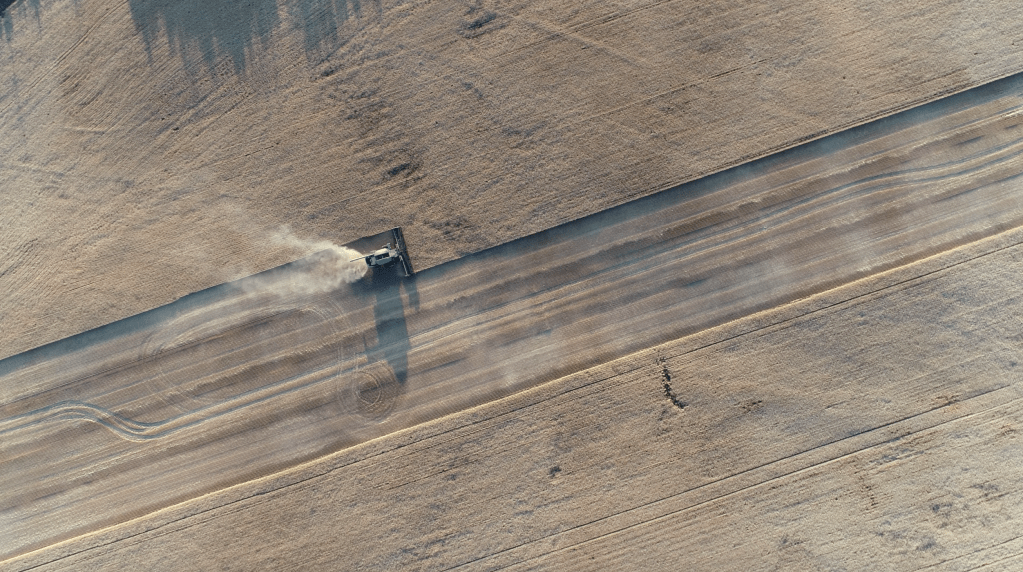
Sustainable agriculture means working to meet the global, growing demands for food production without endangering the natural resources upon which agriculture depends.
Sustainable agricultural practices are practices that improve social, economic, and environmental conditions and have a positive impact on world food sustainability.
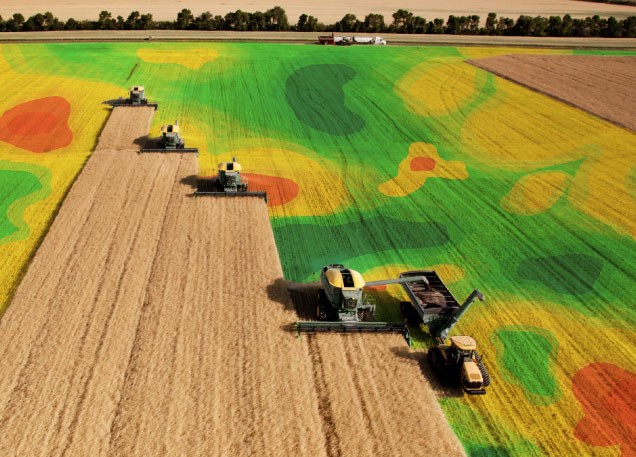
Variable Rate Technology
On our operation we have been instrumental in using and applying variable rate technology since 2007 which changes our seed and fertilizer rates to fit the needs of the soil and growing conditions.
Evolving Agronomy
To adapt to changing conditions, our farm works with independent and retail agronomy services to meet the requiresments of each growing season. With tightening margins these partnerships and expertise are more valuable than ever.
Zero-Tillage Practices
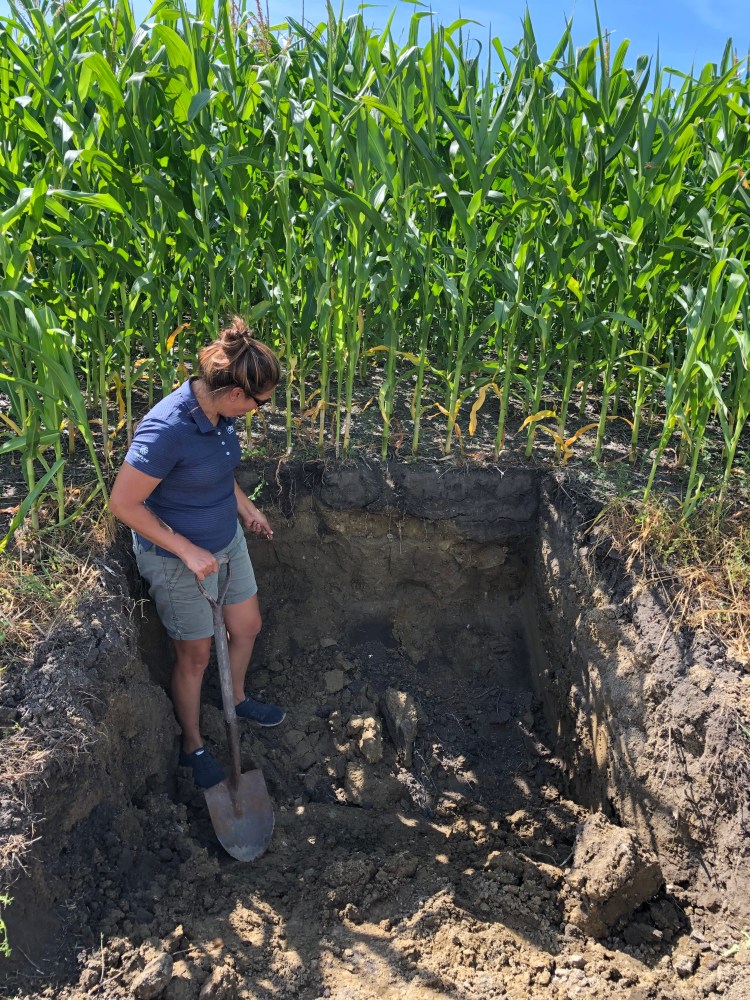
Our farm has implemented a zero-tillage continuous cropping system since the ’90’s. We also practice a crop rotation that ensures at least three years between the same commodity being grown on one field.
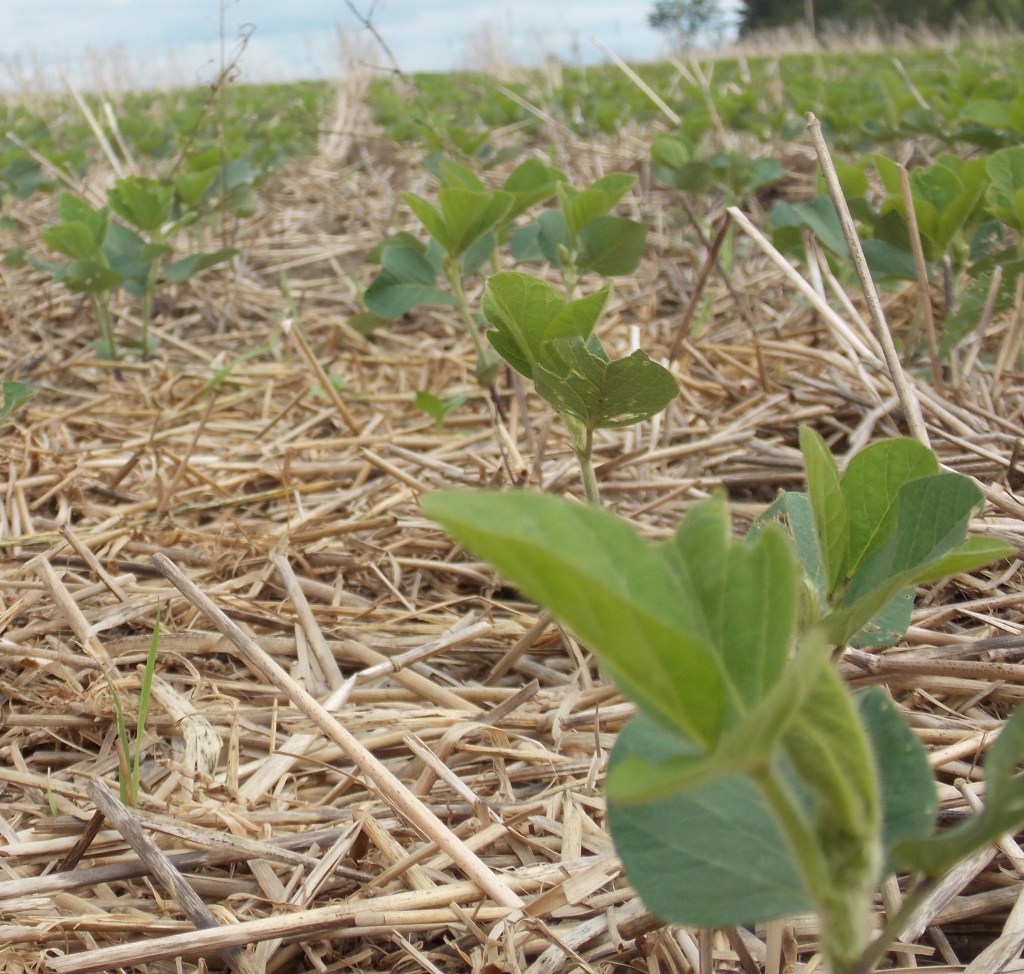
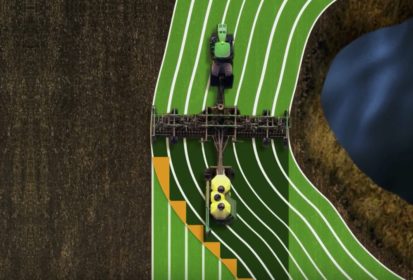
GPS/Sectional Control
On equipment such as the air seeders or sprayers we implement precision technology that helps helps us minimize overlap and overspray on areas that do not require more application in order to increase efficiency and reduce and over application.
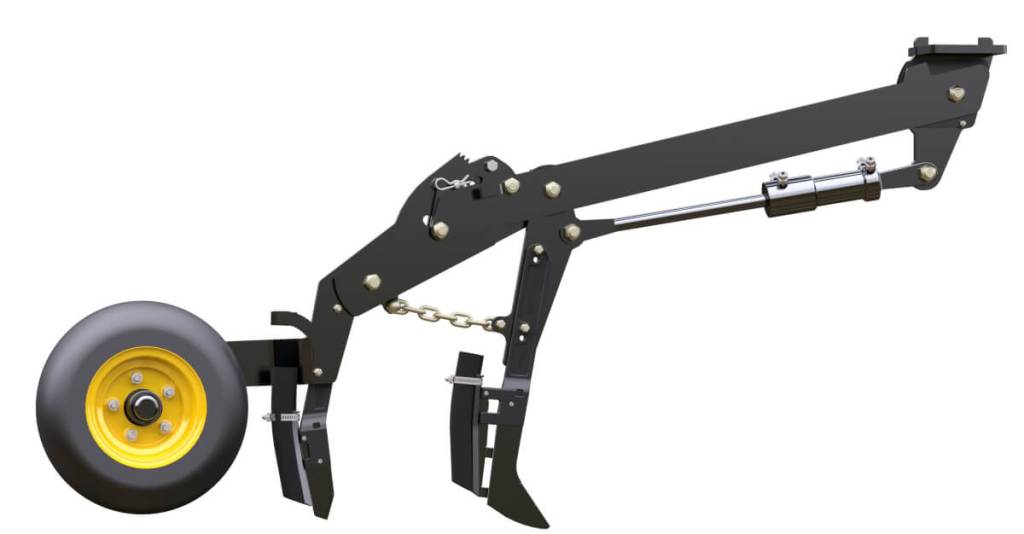
Applying Seed and Fertilizer at the Same Time
During seeding time our Seed Hawk air seeders allow us to apply dry fertilizer at the same time as seed in order to save time and increase efficiency.
Zero Irrigation
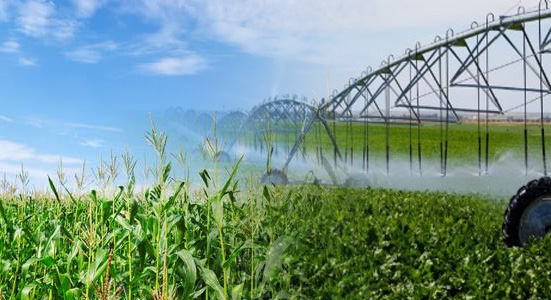
Our farm requires zero irrigation to produce our crop which helps to minimize our water footprint on water sources including streams or bodies of water.
Recycling Used Oil
Used oil is collected from our farm machinery and safely stored until it is picked up by a certified recylcling company.

Recycling Used Chemical Jugs
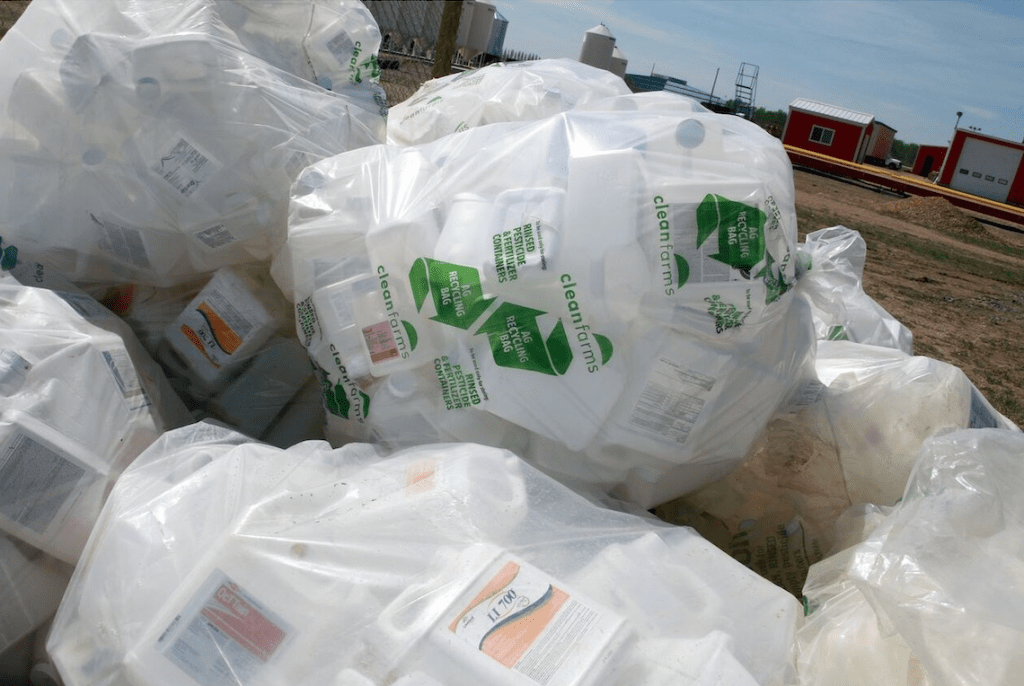
We save chemical jugs after use at spraying application times in clean leak-proof disposal bags, then recycle them instead of burning or bringing them to a landfill.
Recycling of Used Grain Bags
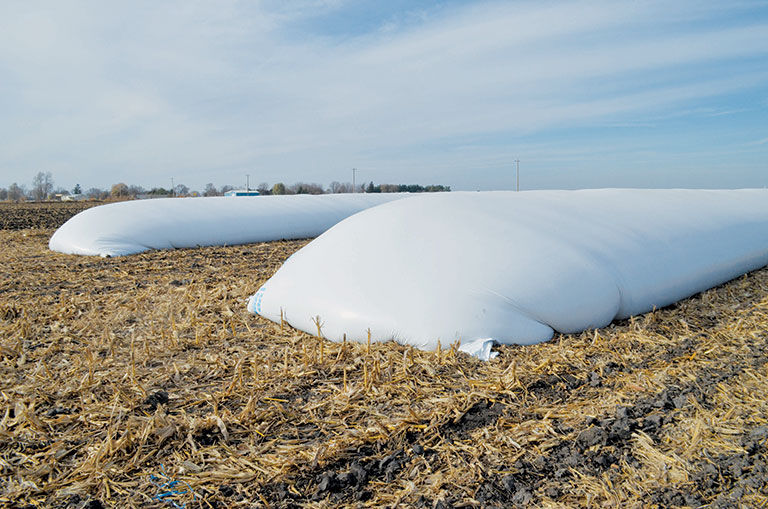
We use grain bags to store commodities over winter when bin space is tight, but after the grain has been extracted we use equipment to roll them up and haul them in to be recycled.
 Aime Family Farms Ltd.